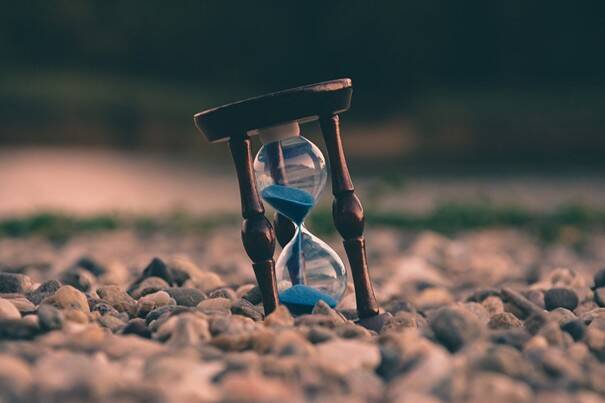
Have you ever noticed how time feels like it is speeding up the older you get? As a child, summer felt endless, stretching out like it would never end. Now it often feels like you blink and suddenly it is Christmas again. So what changed? Why do the days feel shorter and the years pass so quickly? Let’s explore this strange little mystery together.
The magic of childhood
When you are young, everything is new. Every moment carries discovery. The first time you taste ice cream, your first day at school, learning to ride a bike without training wheels. These experiences stand out because your brain has never encountered them before. New experiences require attention. Your mind is constantly processing fresh information, and because of that, time feels slower and fuller. Days feel rich and long because they are filled with firsts. In childhood, even ordinary moments can feel like entire adventures.
Routine and the blur of adult life
As we grow older, life becomes more familiar. We build routines. Wake up, work, eat, sleep, repeat. While routines can bring comfort and stability, they also reduce the number of new experiences our brains need to process. When days start to look similar, the brain shifts into a kind of autopilot. Without many new memories being formed, time begins to blur together. That is why weeks can feel like they disappear almost instantly, turning into months before we fully register them.
The proportional time effect
There is also a simple but fascinating idea often called the proportional time effect. When you are five years old, one year is a huge part of your life so far. It feels significant and long. But when you are fifty, one year is only a small fraction of everything you have experienced. As we age, each year becomes a smaller piece of our overall life story. Because of that, it naturally feels like it passes more quickly, even though the actual amount of time stays the same.
Nostalgia and the shape of memory
Memory also plays tricks on our sense of time. As we get older, we tend to look back on the past with warmth and nostalgia. Childhood summers, carefree afternoons, and long days spent playing outside often feel almost dreamlike in hindsight. These memories are often stored with strong emotional detail, which can make them feel longer and richer than recent everyday experiences. Meanwhile, present life is often filled with responsibilities, deadlines, and stress, which can make time feel like it slips away unnoticed.
How to slow down your experience of time
We cannot slow down the clock, but we can influence how time feels as we live it. Try new things more often. Novel experiences help your brain stay engaged, making days feel more distinct and memorable. Practice being present. Paying attention to small details in your surroundings can make moments feel fuller and more vivid. Create meaningful memories. Break up routine with experiences that stand out, even in small ways, like a new place, a new hobby, or a spontaneous outing. Make space for enjoyment. Rest and pleasure are not just breaks from life, they are the moments that often become the clearest memories later on.
Conclusion
Time might move at the same steady pace, but our experience of it changes as we do. Childhood feels long because everything is new. Adulthood feels fast because much of life becomes familiar. Still, we are not powerless in this. By choosing curiosity, presence, and new experiences, we can stretch our perception of time and make our days feel more vivid again. So the next time life feels like it is rushing by, pause for a moment. Notice where you are. Take it in fully. You might find that even an ordinary day can suddenly feel a little more like those endless summers you remember.
Add comment
Comments